Đăng trả lời 3 bài viết Bạn đang xem trang 1 / 1 trang
Iran đánh trúng..rất hiện đại của Mỹ
  • music123
    Moderator
    Bài viết: 63327
    Ngày tham gia: Thứ 5 Tháng 10 15, 2020 7:45 am

    Iran đánh trúng..rất hiện đại của Mỹ

    by music123 » Chủ nhật Tháng 3 08, 2026 1:12 pm

    Vì sao Iran có thể đánh trúng loạt radar cảnh báo sớm rất hiện đại của Mỹ tại Trung Đông?

    3/8/26

    Sự kết hợp giữa trinh sát chính xác và chiến thuật tấn công dồn dập được cho là yếu tố giúp Iran nhắm trúng các radar cảnh báo hiện đại chiến lược của Mỹ tại Trung Đông.

    Hình ảnh

    Trong những diễn biến gần đây tại Trung Đông, nhiều hệ thống radar cảnh báo sớm do Mỹ triển khai trong khu vực đã trở thành mục tiêu của các đợt tấn công từ Iran.

    Hình ảnh

    Sự việc khiến giới phân tích quân sự chú ý bởi các radar này vốn được xem là thành phần quan trọng trong mạng lưới phòng thủ tên lửa của Mỹ và đồng minh.

    Hình ảnh

    Theo các nguồn tin truyền thông quốc tế cho biết, Iran đã tiến hành các cuộc tập kích nhằm vào những cơ sở quân sự có đặt radar chiến lược tại Trung Đông.

    Hình ảnh

    Một trong những mục tiêu được nhắc đến là căn cứ không quân Muwaffaq Salti ở Jordan, nơi Mỹ triển khai radar cảnh báo sớm phục vụ hệ thống phòng thủ tên lửa tầm cao giai đoạn cuối THAAD.

    Hình ảnh

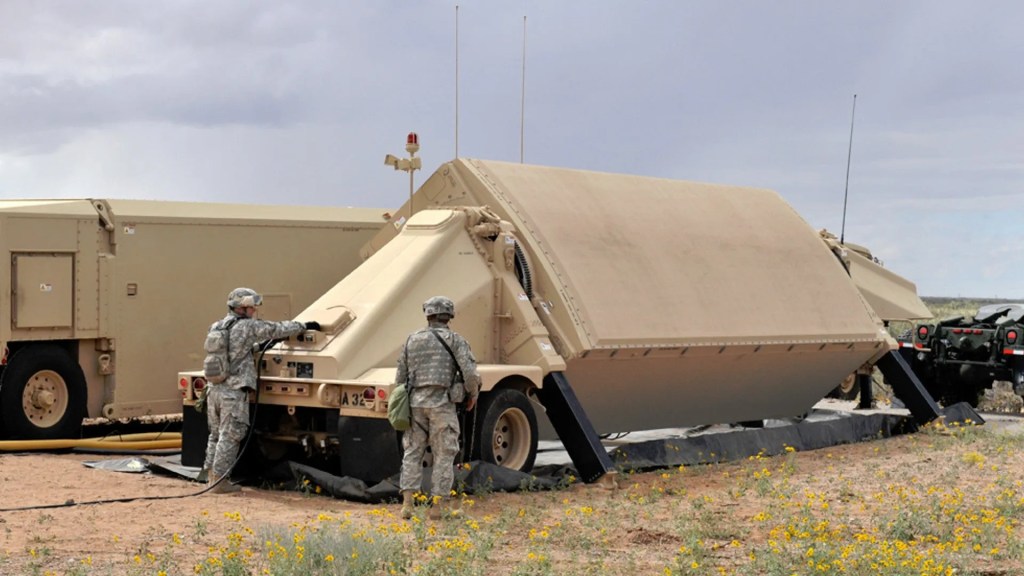
    Radar AN/TPY-2 là loại radar mảng pha băng tần X có nhiệm vụ phát hiện và theo dõi tên lửa đạn đạo từ khoảng cách rất xa.


    Hình ảnh

    Hệ thống này có thể theo dõi mục tiêu ở cự ly lên tới khoảng 1.000 km và cung cấp dữ liệu dẫn bắn cho các tên lửa đánh chặn của tổ hợp THAAD.

    Hình ảnh

    Một radar AN/TPY-2 có giá khoảng 500 triệu USD và được coi là một trong những thiết bị cảm biến quan trọng nhất trong mạng lưới phòng thủ tên lửa của Mỹ.

    Hình ảnh

    Ngoài ra, trong khu vực còn có các radar cảnh báo sớm tầm xa như radar AN/FPS-132. Đây là radar mảng pha công suất lớn có khả năng theo dõi mục tiêu ở khoảng cách lên tới khoảng 4.800 km.

    Hình ảnh

    Hệ thống này thường được dùng để phát hiện sớm các vụ phóng tên lửa đạn đạo từ khoảng cách liên lục địa.

    Hình ảnh

    Việc những mục tiêu có giá trị chiến lược như vậy bị tấn công khiến nhiều chuyên gia đặt câu hỏi về cách Iran xác định chính xác vị trí của chúng.

    Hình ảnh

    Một trong những giả thuyết được nhắc đến là Iran có thể nhận được dữ liệu trinh sát từ bên ngoài, bao gồm thông tin vệ tinh giúp xác định vị trí các cơ sở quân sự trong khu vực.

    Hình ảnh

    Ngoài yếu tố trinh sát, cách thức tấn công cũng đóng vai trò quan trọng. Iran được cho là sử dụng kết hợp nhiều loại vũ khí khác nhau trong các đợt tập kích, bao gồm máy bay không người lái tự sát và tên lửa.

    Hình ảnh

    Các đợt tấn công theo kiểu dồn dập với số lượng lớn có thể khiến hệ thống phòng không bị quá tải.

    Hình ảnh

    Máy bay không người lái tự sát do Iran phát triển thường có kích thước nhỏ, tốc độ không quá cao nhưng có khả năng bay thấp. Điều này khiến chúng khó bị radar phát hiện hơn so với tên lửa đạn đạo bay ở độ cao lớn.


    Hình ảnh

    Khi được phóng theo từng nhóm lớn, các thiết bị bay này có thể làm bão hòa hệ thống phòng thủ của đối phương.

    Hình ảnh

    Một yếu tố khác là bản thân các radar chiến lược thường là mục tiêu cố định. Khi vị trí của chúng đã bị lộ, đối phương có thể lập kế hoạch tấn công với độ chính xác cao.

    Hình ảnh

    Dù các căn cứ quân sự thường được bảo vệ bởi nhiều lớp phòng không, việc đối mặt với số lượng mục tiêu lớn trong cùng thời điểm vẫn tạo ra rủi ro.

    Hình ảnh

    Trong chiến tranh hiện đại, radar được xem là “đôi mắt” của hệ thống phòng thủ. Các cảm biến này có nhiệm vụ phát hiện sớm các mối đe dọa trên không, từ máy bay cho tới tên lửa đạn đạo.

    Hình ảnh

    Khi radar bị phá hủy hoặc vô hiệu hóa, khả năng phát hiện và đánh chặn mục tiêu của hệ thống phòng thủ sẽ suy giảm đáng kể.


    Hình ảnh

    Chính vì vậy, nhiều chiến lược quân sự hiện đại thường ưu tiên tấn công các hệ thống cảm biến trước khi thực hiện những đòn đánh lớn hơn. Nếu radar cảnh báo sớm bị làm tê liệt, các hệ thống phòng thủ tên lửa phía sau sẽ mất đi nguồn dữ liệu quan trọng để phản ứng kịp thời.

    Hình ảnh

    Sự kiện các radar chiến lược của Mỹ tại Trung Đông trở thành mục tiêu tấn công cho thấy một xu hướng đáng chú ý trong chiến tranh hiện đại.

    Hình ảnh

    Không chỉ các căn cứ quân sự hay lực lượng chiến đấu, mà cả hệ thống cảm biến và chỉ huy cũng đang trở thành mục tiêu ưu tiên trong các cuộc đối đầu công nghệ cao.

    Việt Hủng

    Hình ảnh
  • music123
    Moderator
    Bài viết: 63327
    Ngày tham gia: Thứ 5 Tháng 10 15, 2020 7:45 am

    Re: Iran đánh trúng..rất hiện đại của Mỹ

    by music123 » Chủ nhật Tháng 3 08, 2026 1:27 pm

    Iranian Attacks On Prized Missile Defense Radars Are A Wake-Up Call

    Các cuộc tấn công của Iran vào các hệ thống radar phòng thủ tên lửa quan trọng là một lời cảnh tỉnh.

    MAR 7, 2026
    JOSEPH TREVITHICK, TYLER ROGOWAY


    Iran's successful targeting of critical missile defense radars in the Middle East highlights global vulnerabilities.

    Hình ảnh

    As expected, Iran has repeatedly targeted prized missile defense radars across the Middle East in retaliation for the joint U.S.-Israeli air campaign that is ongoing. Iran’s attacks on high-value radars that enable the region’s missile defense capabilities appear to have succeeded on multiple occasions. The irony that lower-end long-range kamikaze drones are perhaps the biggest threat to extremely advanced radars capable of providing telemetry for intercepting targets traveling at hypersonic speeds, sometimes in space, is glaring. The losses of the radars and/or damage to their facilities should finally serve as a stark wake-up call regarding the vulnerability of these critical but largely static assets.

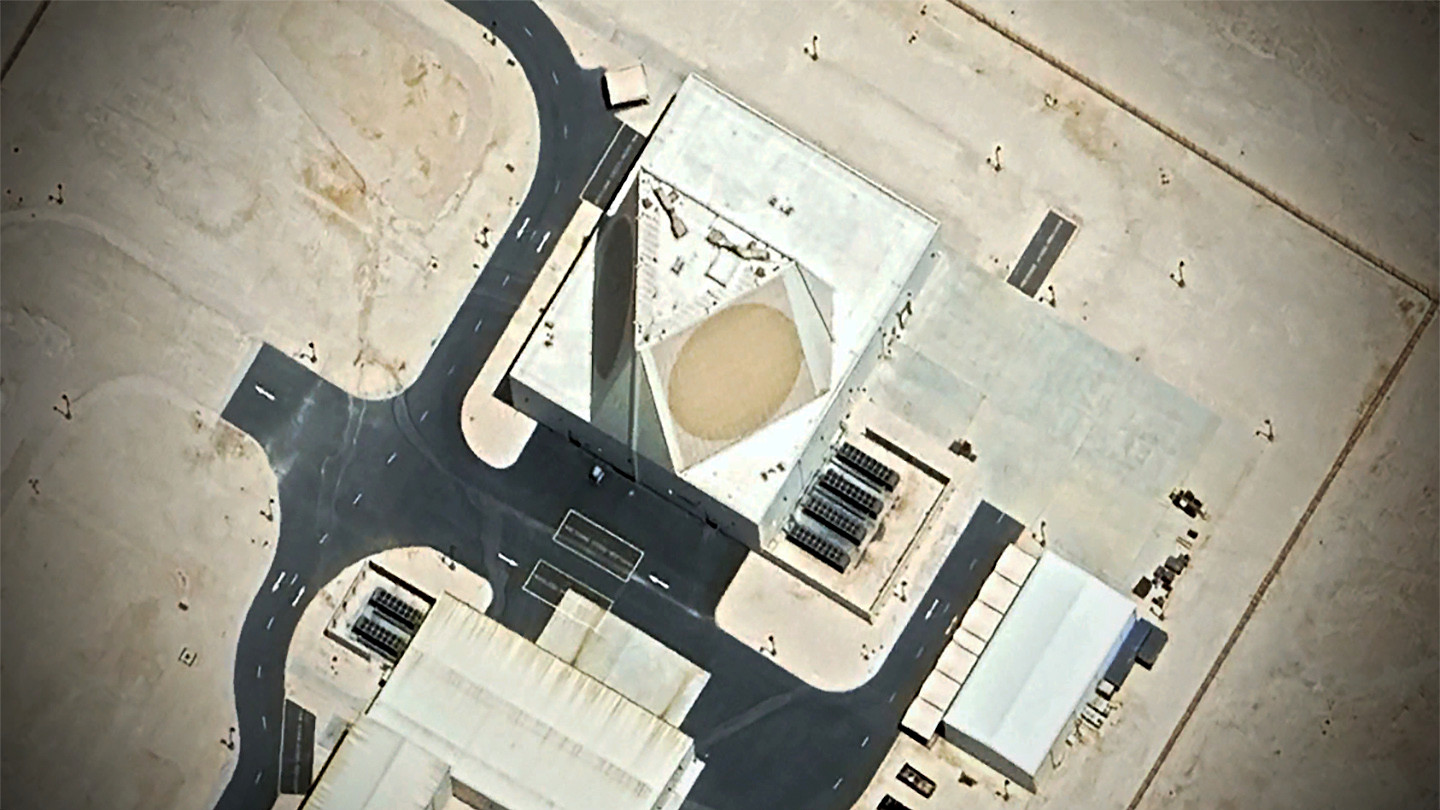
    Based on the information at hand, it appears that Iran has been able to destroy one U.S. AN/TPY-2 radar in Jordan and damage the massive American-made AN/FPS-132 phased array radar in Qatar, prompting immediate concerns about available radar coverage to help respond to further barrages. There are strong indications that a number of other similar systems have been destroyed or damaged, as well.

    Hình ảnh

    An Army Navy / Transportable Radar Surveillance (AN/TPY-2) positioned in the Kwajalein Atoll during the FTI-01 flight test. The AN/TPY-2 radar tracked the ballistic missile targets and provided data to missile defense systems to engage and intercept. (DoW) Missile Defense Agency

    For over a decade, TWZ has drawn attention to the threat of drones to America’s critical military capabilities and infrastructure. And more recently, we specifically discussed the glaring vulnerability of strategic radar systems after a Ukrainian drone attack nearly two years ago on a Russian early warning radar site, as well as after being first to report drone incursions over a U.S. missile defense site on Guam back in 2019.

    For some general context to start, Iran and/or its regional proxies have hit targets in a total of 12 countries since the start of the current conflict. Iranian retaliatory attacks utilizing ballistic and cruise missiles, as well as long-range kamikaze drones, have significantly declined in recent days, but are still being carried out. Countries in the region are so far claiming very high interception rates of incoming threats, but some missiles and drones are clearly making it to their targets.

    Iran has attacked a wide array of different targets, military and non-military, but there has been a clear concerted effort to go after air and missile defense radars in the region as part of the retaliatory campaign. This is to be expected given that the loss of key radars, even temporarily, risks degrading further efforts to intercept Iranian missiles and drones, hence these weapons can succeed at a higher rate. Taking out missile defense radars at very high-value sites can leave those areas far more vulnerable to follow-on attacks, as well. Striking these radars also reduces their user’s general situational awareness in the region, and can even have strategic implications beyond the region, too.

    It’s also worth noting that these radars are extremely expensive and take years to replace.


    Iran’s attacks on radars so far

    This past week, CNN obtained imagery from Planet Labs showing an AN/TPY-2 radar damaged, or even possibly destroyed, following an Iranian attack on Muwaffaq Salti Air Base in Jordan. Muwaffaq Salti has long been a major regional hub for U.S. operations, and is being very actively utilized in the current conflict. It has the greatest concentration of U.S. tactical aircraft in the region, and thus is an extremely important target, where even one ballistic missile landing on an apron could destroy multiple prized fighter aircraft and take the lives of U.S. service members.


    The Wall Street Journal reported yesterday that the U.S. military was rushing to replace the AN/TPY-2 at Muwaffaq Salti, lending credence to the assessment that damage from the Iranian attack was at least substantial. There is a picture, seen below, circulating on social media that is said to show the AN/TPY-2 at Muwaffaq Salti having been clearly knocked out, but it remains unverified and, in an age of increasingly impressive AI fakes, should be treated as such.

    The active electronically-scanned array AN/TPY-2 is primarily associated with the U.S. Terminal High Altitude Area Defense (THAAD) anti-ballistic missile system, but it also has a demonstrated ability to feed data to Patriot surface-to-air missile systems. THAAD is a key upper-tier defensive system deployed to the Middle East that is capable of swatting down Iran’s most capable missiles from the end of their midcourse stage of flight and through their terminal stage. AN/TPY-2 radars can also be deployed as standalone sensors in a larger integrated air defense network. The radar is trailer-mounted and technically road mobile, but is not designed to be used on the move or very rapidly relocated from one place to another.

    Hình ảnh

    A stock picture of an AN/TPY-2 radar. US Army


    CNN has reported that additional Planet Labs imagery indicates that AN/TPY-2 and their infrastructure were also at least targeted and possibly damaged in Iranian attacks on THAAD batteries belonging to the United Arab Emirates (UAE), one at Al Ruwais and another at Al Sader, and another one in Saudi Arabia near Prince Sultan Air Base. The New York Times also obtained satellite imagery showing that the site at Al Ruwais had at least come under attack. The full extent of the damage at any of these sites remains unclear.

    https://www.twz.com/news-features/irani ... ke-up-call
    Hình ảnh
  • music123
    Moderator
    Bài viết: 63327
    Ngày tham gia: Thứ 5 Tháng 10 15, 2020 7:45 am

    Re: Iran đánh trúng..rất hiện đại của Mỹ

    by music123 » Chủ nhật Tháng 3 08, 2026 1:31 pm

    Missile, drone strikes against US radar put air defense resilience under question - analysis

    ANNA AHRONHEIM

    MARCH 8, 2026

    Hình ảnh

    A satellite image of destroyed radar system at Zahedan airbase
    (photo credit: REUTERS)


    The destruction of THAAD and long‑range radar systems in the opening days of the war highlights a dangerous new reality: static air‑defense assets are easy targets

    Hình ảnh


    In the first few days of the combined Israeli-US operations against the Islamic Republic, Iranian ballistic missiles destroyed US-made air defense battery radars critical for missile defense systems to detect, track, and destroy incoming aerial threats. The precision with which Iran was able to strike them should be a wake-up call for regional partners in protecting such key platforms.

    Satellite imagery, in addition to photos shared on social media, showed a destroyed AN/TPY-2 radar system for an American THAAD missile battery in Jordan. Another American AN/FPS-132 phased array radar was destroyed in Qatar. Others were damaged in the United Arab Emirates, Bahrain, Kuwait, and Saudi Arabia.

    In Jordan, the radar was deployed to the Muwaffaq Salti Air Base where it was destroyed. The base is currently home to over 60 American aircraft deployed to the region, including F-35 Lightning II, F-15E Strike Eagles, and EA-18G Growler electronic warfare aircraft.

    THE JERUSALEM POST
    Hình ảnh
Đăng trả lời 3 bài viết Bạn đang xem trang 1 / 1 trang

Ai đang trực tuyến?

Người dùng duyệt diễn đàn này: Google [Bot], Majestic-12 [Bot] và 78 khách